
Blog
How to Add Conveyors to an Existing Warehouse Without Shutting Down
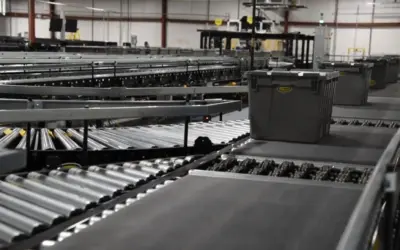
You can add a conveyor to a warehouse that is still shipping orders. The method is to install it one section at a time, test each section before it carries live product, and only then retire the manual process it replaces. Most retrofit trouble comes from skipping the...

How to Keep Your Warehouse Running Safely Through Winter and Peak Season
Keeping a warehouse running through winter comes down to four things: controlling what gets tracked inside, protecting the dock, matching your equipment to the conditions, and using automation so repetitive work does not compete with peak season labor. Facilities that...

Which Warehouse Automation Systems Are Right for Your Operation?
Warehouse automation does not have to mean rebuilding an entire facility or replacing every manual process. The strongest projects solve a specific operating problem, such as repetitive travel, limited storage space, slow picking, inconsistent product flow, or...

How Often Should Warehouse Equipment Be Inspected?
Most warehouse equipment should be inspected daily before use, with additional periodic checks ranging from monthly to annually depending on the type of equipment. Forklifts need a pre-shift inspection every day. Overhead cranes need daily and monthly checks plus an...

The 2026 Warehouse Compliance Checklist for Western MA and Northern CT Facilities
Running a warehouse in Western Massachusetts or Northern Connecticut means balancing productivity, safety, and compliance every single day. Regulations are not getting lighter. Insurance carriers are asking more questions. Customers expect reliability. The good news...

Industrial Floor Cleaning for Food and Beverage Facilities
When it comes to food and beverage operations, maintaining clean floors isn’t just a best practice — it’s essential for protecting product integrity, employee safety, and regulatory compliance. Grease, spills, powders, and moisture can quickly create slip hazards and...

Forklift Certification in MA & CT: Requirements, Costs & How to Get Certified
Forklifts keep warehouses, distribution centers, and manufacturing operations moving. They’re essential in almost every material handling environment across Massachusetts and Connecticut. But without proper training, they can quickly become one of the biggest safety...

Fall Protection: Why It Matters and What You Need to Know
Why Fall Protection Matters Fall protection is one of the most commonly neglected areas of OSHA training, ranking first on OSHA’s list of the top 10 workplace safety violations for 2023. Coming in at #8 was Fall Protection Training Requirements, underscoring the...

Winter Readiness: Preparing Your Forklift Fleet for Cold Weather
When winter hits New England, the temperature drop can bring more than just cold air — it can cause real challenges for your forklifts and warehouse operations. From reduced battery efficiency to hydraulic thickening and slippery dock conditions, cold weather affects...

Protect Your Employees With OSHA-Certified Lockout Tagout Training
Introduction Lockout Tagout training is a non-negotiable when it comes to workplace safety. According to research from the Electrical Safety Foundation International (ESFI), contact with electricity is one of the leading causes of death in the workplace, with an...